
Here’s how we build an RTD that works for
Everyone
Only have a minute? These are my biggest priorities! More detail below:
-
North metro communities have waited more than two decades for the complete N Line they were promised. I will fight for a public completion plan, protected funding, better frequency, enough train capacity, and honest updates about costs and progress.
-
Major events should be some of the easiest times to choose transit. I will work to restore BroncosRide, improve service for other major events, provide enough capacity, and make sure riders can still complete their trips home after the game.
-
Every rider deserves to feel safe. I will push for more trained personnel on vehicles and at stations, consistent enforcement of fares and conduct rules, stronger coordination with local partners, and public reporting on whether RTD’s safety strategies are working.
-
RTD should help create more walkable, connected, and affordable communities near reliable transit. I will support housing on underused RTD land, safer station connections, fewer unnecessary parking mandates, and partnerships that expand housing choices while reducing displacement.
Have the time to dig in?
Here is the policy platform to transform RTD into the transit system our community deserves.
Safer Buses and Trains
Every rider deserves to feel safe on a bus, train, platform, or station. RTD needs a visible, consistent safety strategy that protects riders and operators, responds quickly when problems occur, and treats people fairly. Safety should be built around trained personnel, clear rules, strong partnerships, and accountability for results.
Increase the presence of trained RTD police officers, transit security personnel, and ambassadors on vehicles and at stations, especially during evenings, major events, and periods with repeated safety concerns.
Coordinate with local governments, district attorneys, and community partners so serious misconduct is addressed consistently and riders are not left dealing with the same problems again and again.
Enforce fares and conduct rules fairly, clearly, and consistently, with an emphasis on preventing harassment, violence, drug use, and behavior that makes riders feel unsafe.
Publish clear safety data and performance measures so the public can see whether strategies are working and where changes are still needed.
Invest in trial periods for fare gates on places like the A-line to make sure everyone is paying their fair share
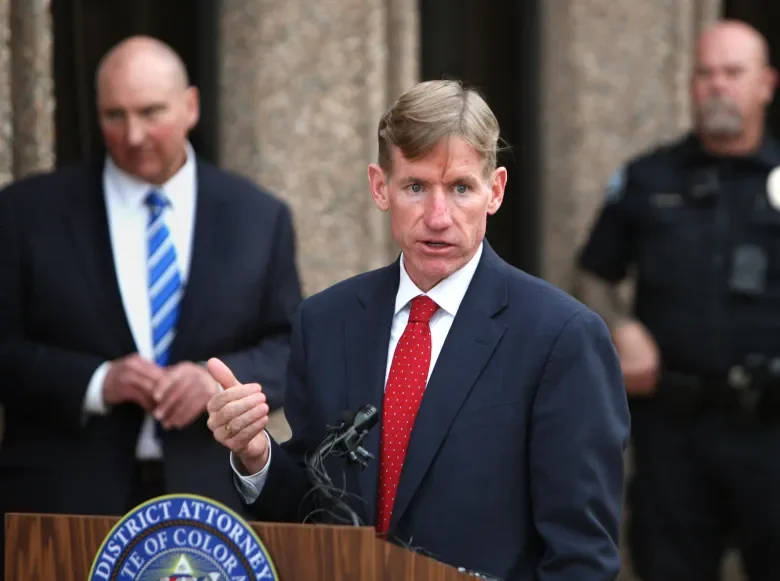
A public safety plan endorsed by District Attorney Michael Dougherty and RTD’s Transit Police
Bring Back BroncosRide
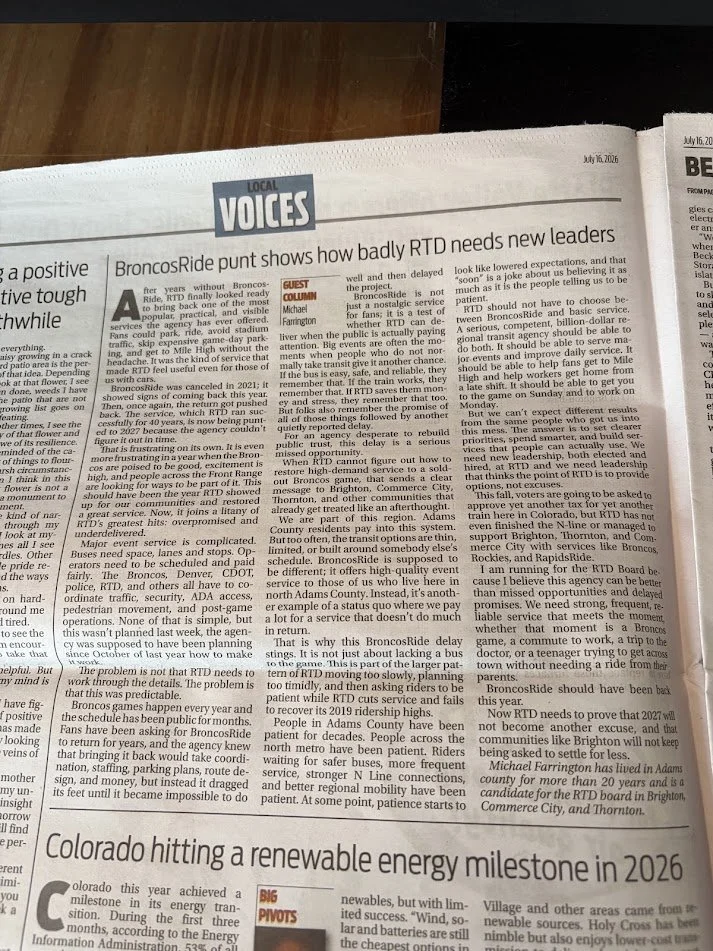
Major events should be some of the easiest times to choose transit. BroncosRide once gave fans a direct, convenient way to reach games without dealing with traffic, parking costs, or crowded neighborhood streets. RTD should restore that service and build a broader event-transit strategy that works for fans, workers, and nearby communities.
Restore BroncosRide with reliable service from communities across the district, including strong connections for Adams County riders.
Run enough buses and trains before and after games so riders are not left waiting through long waits or packed vehicles.
Coordinate schedules across routes so riders can make their final connection home after evening and weekend events.
Work directly with the Broncos, stadium operators, local governments, and event organizers to share costs, promote service, and plan for demand.
Start with BroncosRide, then expand to Rockies games, concerts, Red Rocks, Rapid’s games in Commerce City, and other major regional events.
Publish clear ridership, cost, and reliability data so the public can see whether event service is delivering value.
Better Budgeting, Better Service
RTD should spend public dollars where riders feel the difference. That means protecting reliable service, reviewing overhead and low-value spending, and making reasonable cuts when programs are not delivering results. Budget decisions should be transparent, practical, and focused on building a system people can trust.
Protect frontline service, vehicle maintenance, safety personnel, and the workers who keep buses and trains moving.
Review administrative growth, executive spending, consulting contracts, travel, perks, and duplicative programs before cutting routes or reducing frequency.
Require clear goals and measurable results for major contracts, pilot programs, and new initiatives, then scale back or end those that don’t work or connect with the core mission of transit.
Use performance data to direct service toward routes and times with strong demand while preserving essential connections for communities with limited alternatives.
Publish budget information in plain language so riders can understand where money is going, what tradeoffs are being made, and how cuts will affect service.
Build a stronger long-term financial plan that accounts for maintenance, workforce needs, unfinished commitments, and future service growth.
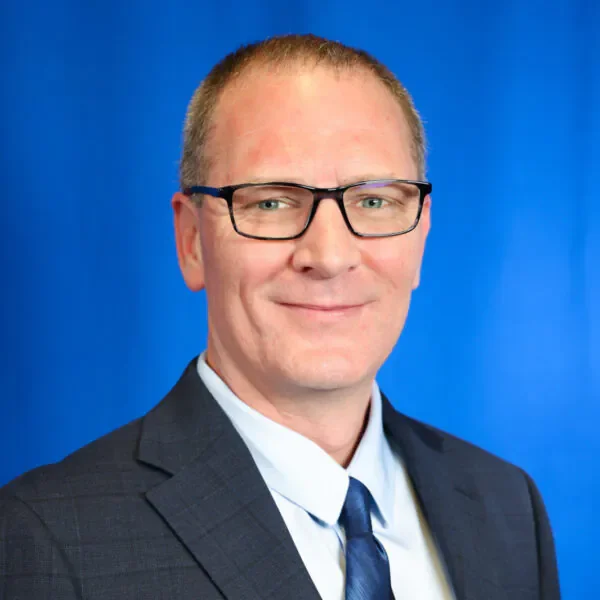
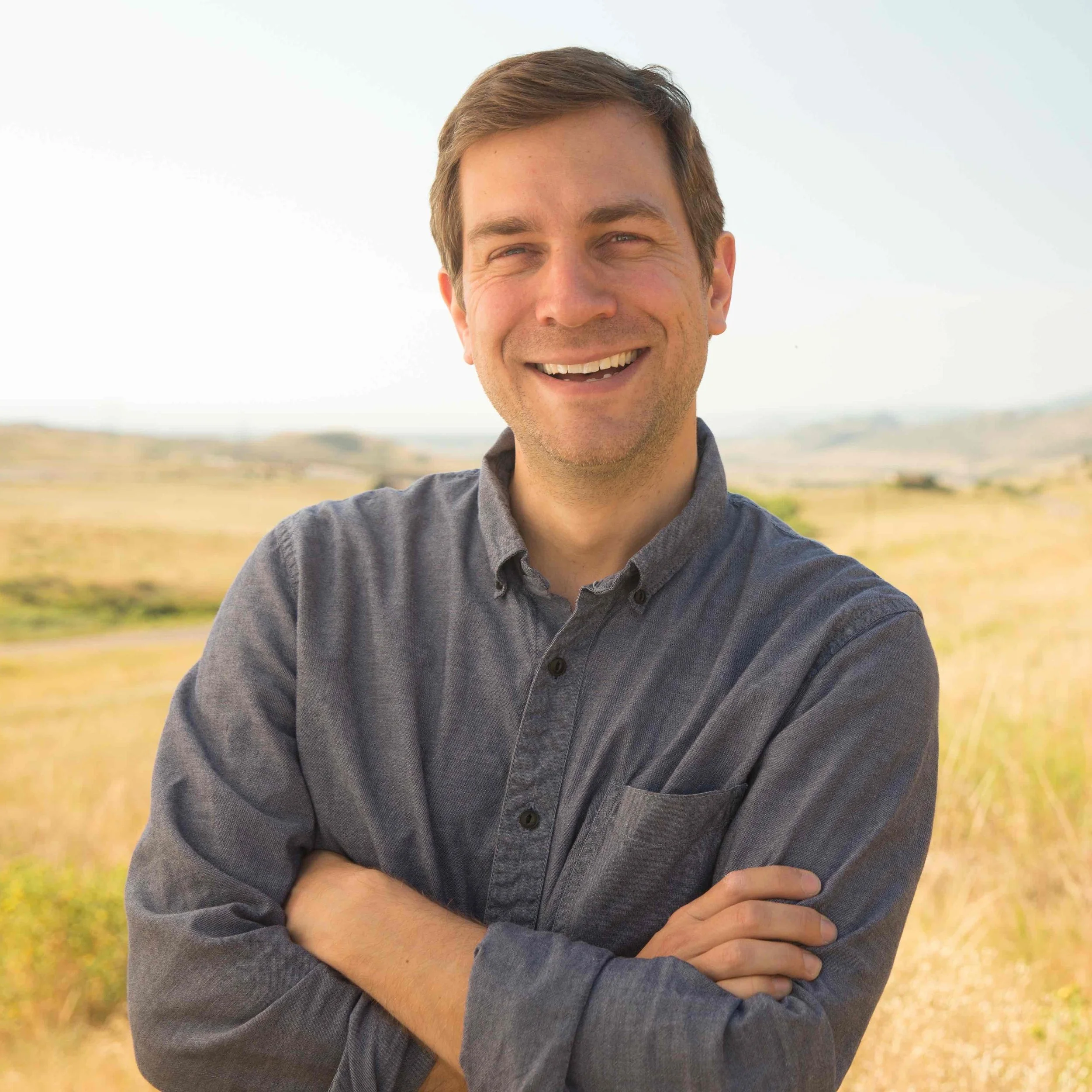
A budget plan endorsed by County Assessor Thomas Swingle and Joint Budget Committee Chair Jeff Bridges
Promises Made, Promises Kept: Finish the N Line
North metro communities were promised and approved the N Line more than two decades ago. The service we have today has opened important connections, but the line remains unfinished and riders still deal with limited frequency, overcrowding, and unreliable connections after major events. RTD must provide a transparent plan to complete the N Line and make the existing service dependable.
Establish a clear, public timeline for completing the N Line to its originally promised northern terminus, with regular progress reports to riders and local governments.
Protect funding for the N Line and other unfinished FasTracks commitments so Adams County is not pushed aside when RTD makes budget decisions.
Increase frequency and provide enough train capacity to reduce long waits and overcrowding, especially during commuting hours and major downtown events.
Improve transfers between the N Line and local buses so riders can reliably reach homes, jobs, schools, and services throughout Commerce City, Thornton, and Brighton.
Give the public honest information about costs, obstacles, and next steps instead of asking north metro communities to keep waiting without answers.
A plan to finish the rail system supported and endorsed by Greater Denver Transit, a transit advocacy group
Better Transit, More Housing Choices
Transit works best when people can live close to reliable service, everyday needs, and the places they already belong. RTD should use its land, partnerships, and planning role to support more walkable housing near transit while reducing displacement and protecting existing communities. Better land use around stations can increase ridership, strengthen local businesses, and give more people the freedom to live with lower transportation costs.
Put underused RTD-owned land, including oversized parking lots, to work for housing, small businesses, public spaces, and community services near transit.
Support more homes within walking distance of frequent bus and rail service, including apartments, townhomes, and other housing choices that fit different family sizes and incomes.
Work with local governments to reduce unnecessary parking mandates and support unbundled parking so residents are not forced to pay for spaces they do not need.
Prioritize safe sidewalks, crossings, lighting, bike connections, and useful bus access around stations so nearby housing is truly connected to transit.
Use public land partnerships and long-term affordability tools to help preserve affordable homes and reduce displacement near major transit investments.
Coordinate transit planning with local housing and land-use decisions so new growth supports stronger service, higher ridership, and more complete neighborhoods.
A housing plan endorsed by Housing advocacy groups
Cleaner Air Through Better Transit
RTD should spend public dollars where riders feel the difference. That means protecting reliable service, reviewing overhead and low-value spending, and making reasonable cuts when programs are not delivering results. Budget decisions should be transparent, practical, and focused on building a system people can trust.
Increase service frequency and reliability so more people can realistically choose transit for work, school, errands, and events.
Continue transitioning buses and support vehicles to cleaner technologies where they are dependable, cost-effective, and appropriate for the route.
Prioritize air-quality improvements in communities that face the highest levels of traffic and industrial pollution.
Support housing, jobs, and services near transit so people can travel shorter distances and rely less on driving.
Protect open space by encouraging growth in existing communities and around established transit corridors.
Publish clear emissions, energy-use, and fleet-performance data so the public can see whether climate investments are delivering real results.
A climate police endorsed by Sierra Club and Run on Climate
Really love policy? Some other priorities:
RTD touches nearly every part of daily life, from getting to work and school to reaching medical care, community events, and family. These priorities may not each require a full policy section, but they are still important parts of building an RTD that works for everyone.
Access and Opportunity
Provide free RTD service on general, primary, and major municipal election days so transportation is never a barrier to voting.
Restore useful transit connections to courts, jails, and halfway houses to support due process, successful reentry, and access to public services.
Make free youth fares more useful by improving safety, frequency, wayfinding, and connections to schools, jobs, recreation, and community programs.
Support better connections to medical care, grocery stores, public services, and other essential destinations by prioritizing them in routing.
Ensure RTD is safe and welcoming for immigrant communities and is never used as a tool for harassment or immigration enforcement.
Better Service and Connections
Improve late-night and weekend service for workers, students, event attendees, and anyone whose schedule does not fit a traditional workday.
Protect essential Adams County routes, including the RX, from becoming easy targets during budget cuts.
Make transfers easier by coordinating bus and rail schedules and reducing long waits between connecting services.
Improve communication during delays, cancellations, emergencies, and major service changes so riders can make informed decisions.
Partner with employers, schools, local governments, and community organizations to increase ridership and make transit passes easier to access for the poor.
Stops, Accessibility, and Accountability
Improve bus stops with better lighting, shelters, seating, accessibility, sidewalks, and clear arrival information.
Expand secure bicycle parking and improve connections between transit, sidewalks, trails, and local bike networks.
Ensure riders with disabilities, seniors, and people using mobility devices can depend on accessible vehicles, stations, stops, and paratransit service.
Use pilot programs carefully, publish the results, and expand programs that work rather than allowing temporary projects to continue without accountability.
Invest and review AV technology to make sure RTD isn’t falling behind it’s peers.
Michael is proud to be a candidate affiliated with

Transform RTD is a team of affiliated RTD candidates committed to restoring RTD to its core mission: running a transit system that moves people, strengthens communities, and builds for the next generation of riders. We believe RTD should be safe, reliable, and visionary, an agency that delivers on the promise made to riders across the Front Range.
Together, we’re working to bring accountability, innovation, and community back into transit leadership. Click below to learn more about our mission and the movement to fulfill RTD’s promise.