What is RTD Reform?
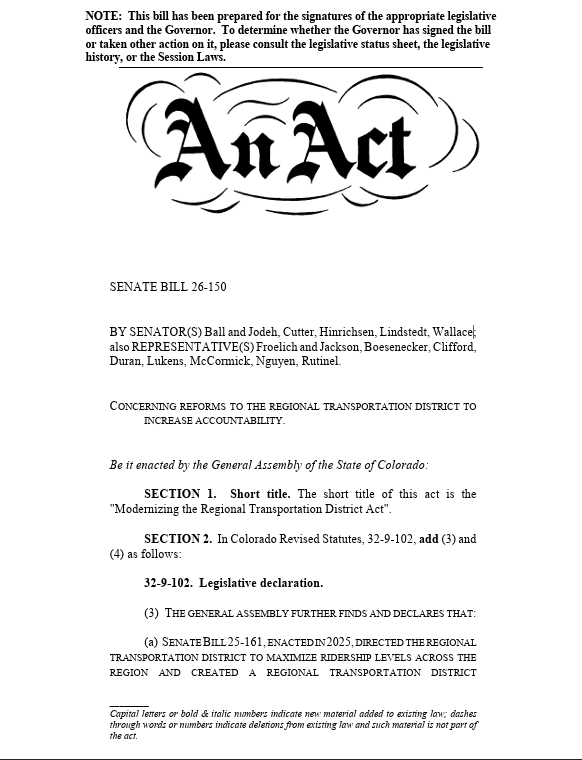
Sometimes called Modernizing Regional Transportation District or SB26-150 after the formal bill title and bill number, RTD reform is a package of changes that will update how RTD works as we enter the 2030s.
What reform Means for RTD and This Election
(yes we are still on the ballot!)
Colorado is changing how RTD is governed. Here’s what that means.
In 2026, the Colorado legislature passed SB26-150, the “Modernizing Regional Transportation District” bill, a major proposal to change how RTD is governed. The bill is aimed at increasing accountability at RTD and responding to years of concerns about reliability, safety, ridership, and whether the agency is delivering the level of service our region needs. The bill passed the House and Senate and was sent to the Governor on May 18, 2026.
The biggest change is to the RTD Board of Directors. Today, RTD has a 15-member elected board, with each director elected from a geographic district. SB26-150 would replace that structure beginning January 1, 2029, with a 9-member board made up of 5 elected members and 4 members appointed by the Governor and confirmed by the State Senate.
That means this election still matters. In fact, it matters a lot.
We are still on the ballot this November, and its more important than ever to win a real voice for Adams County on the RTD board.
-
SB26-150 does not make the 2026 RTD election meaningless. It does the opposite.
This election will help determine who is at the table during one of the most important transition periods in RTD’s history. The next board will be responsible for guiding the agency through major decisions about service reliability, safety, operator staffing, public trust, regional accountability, and preparation for the new governance structure.
If SB26-150means the current 15-member board structure would end on January 1, 2029, when the new 9-member board begins. That means directors elected in 2026 would serve during a critical transition period leading up to that change.
That transition matters because RTD cannot wait until 2029 to improve. Riders need more reliable buses and trains now. Workers need safer conditions now. Communities like Brighton, Commerce City, Thornton, and unincorporated Adams County need a stronger voice now.
-
District K deserves someone who understands both the urgency of improving RTD today and the importance of preparing the agency for what comes next.
This district includes communities that need better transit, not just more studies or more promises. We need to reduce ghost buses, improve safety, make service more dependable, finish long-promised projects like the N Line past Eastlake, and make sure RTD works for working families, students, seniors, riders with disabilities, and everyone who depends on transit to get where they need to go.
SB26-150 changes the structure of the board, but it does not change the basic job of an RTD director: listen to riders, show up for the district, ask hard questions, and push the agency to deliver better service.
-
SB26-150 makes several major changes to RTD.
First, it restructures the RTD Board. Starting in 2029, the board would shrink from 15 members to 9. Five members would continue to be elected by voters, while four would be appointed by the Governor. The appointed members would need to live within the RTD district, represent the district at large, and collectively bring experience in areas like public finance, land use and multimodal transportation planning, transit operations, and programs serving disproportionately impacted communities.
Second, the bill changes how future RTD districts are drawn. For the 2028 election, state legislative staff would draw the five elected RTD districts based on population.
Third, the bill increases board compensation. Board members elected or appointed in 2028 or later would receive $36,000 annually, adjusted for inflation or deflation. The chair would receive 150% of the regular board member salary.
Fourth, the bill requires RTD to study and improve paratransit service. RTD would need to contract for a paratransit service study by the end of 2026, including a needs assessment, service gap analysis, performance metrics, stakeholder engagement, and an assessment of barriers that keep riders with disabilities from accessing low-income fare discounts. RTD would then need to adopt and begin implementing an accessible transportation service plan by the end of 2027.
Finally, RTD would need to report back to the legislature and Governor by the end of 2027 on progress toward recommendations made by the RTD Accountability Committee.
-
I support accountability at RTD. The agency has real challenges, and the public deserves a board that is focused, responsive, and capable of making hard decisions.
At the same time, I believe voters deserve a strong voice in the future of RTD. During this transition, District K needs a director who will fight to make sure our communities are not overlooked, that service improvements reach the north metro area, and that riders remain at the center of every decision.
The future of RTD is being shaped right—we need a director who can make sure we have a voice at the table, not looking for their next job.
These leaders know Michael is the right choice.
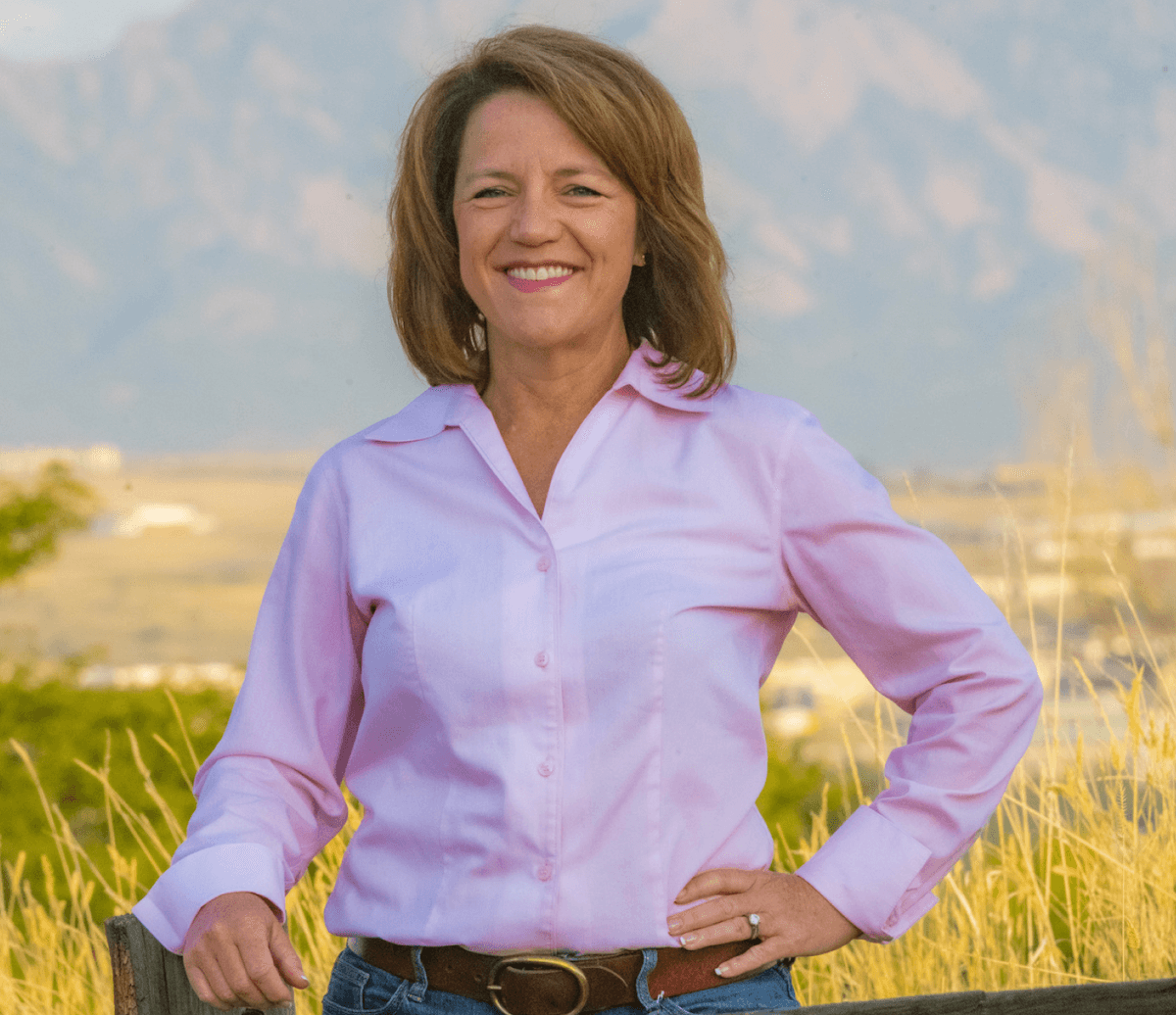
Rep. Shannon Bird
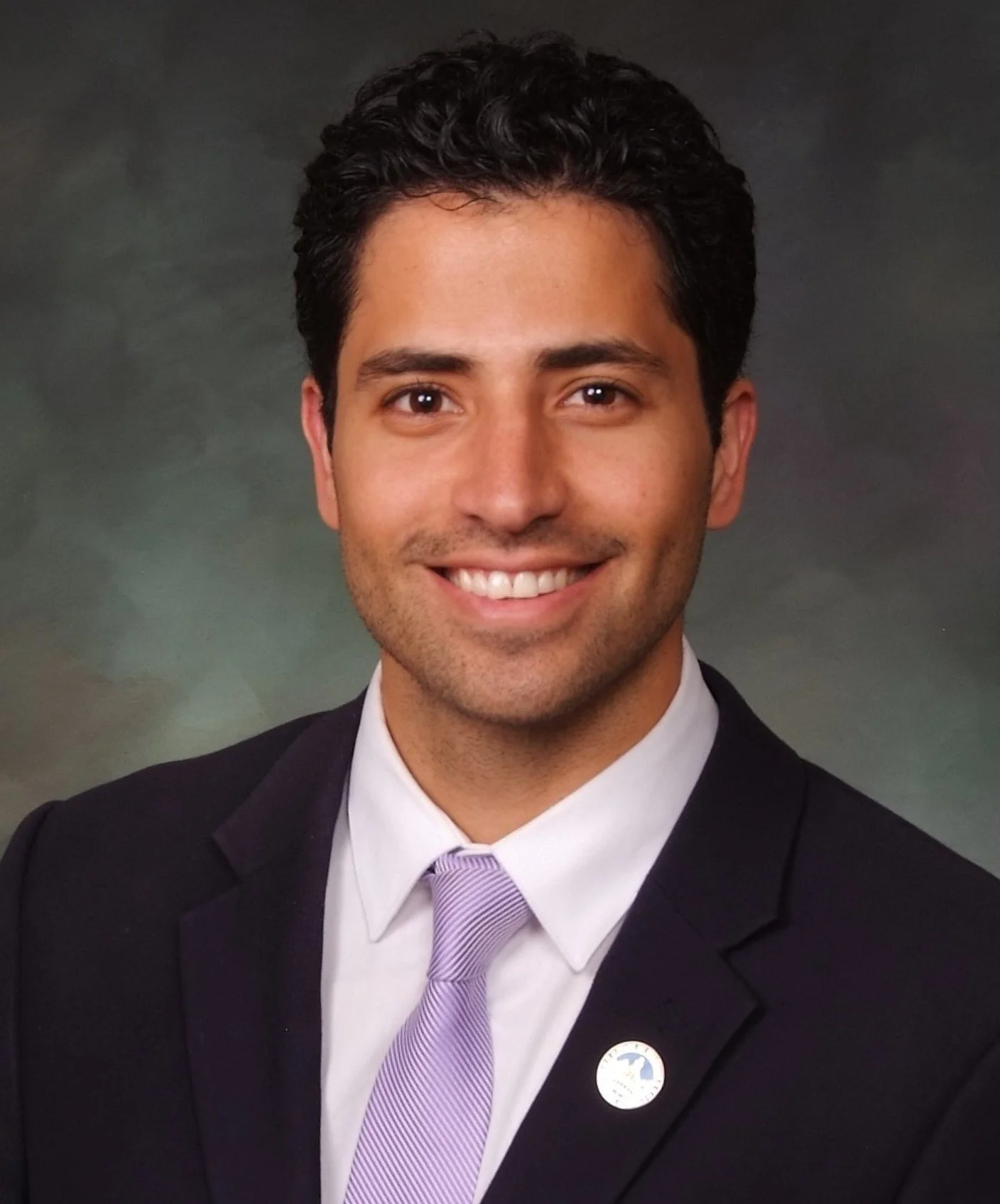
Rep. Manny Rutinel
Mayor Steve Douglas
Rep. Javier Mabrey
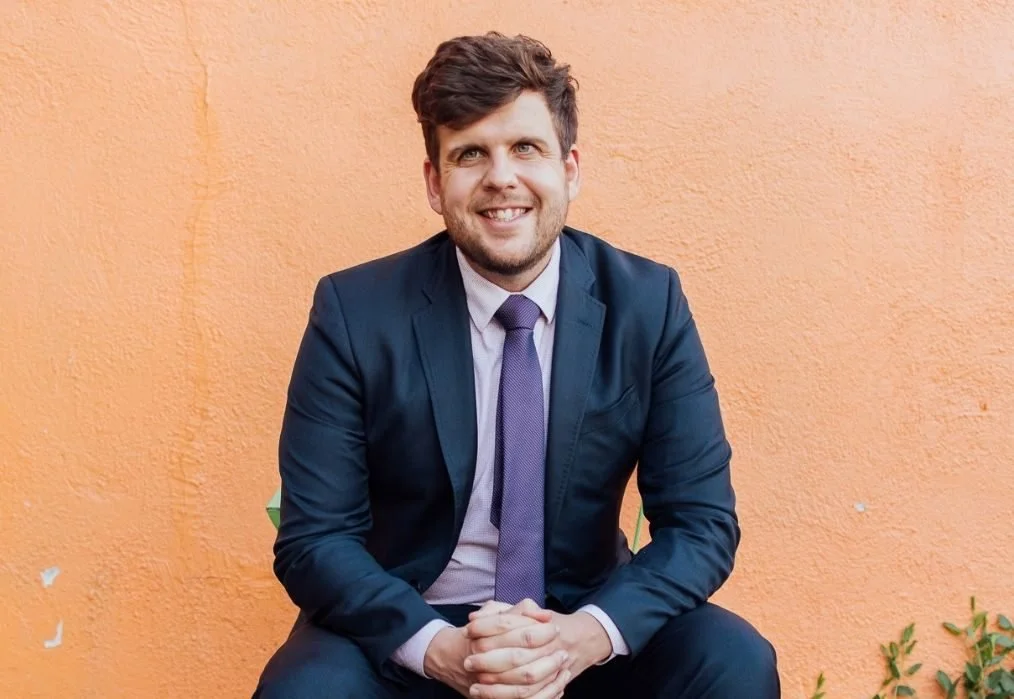
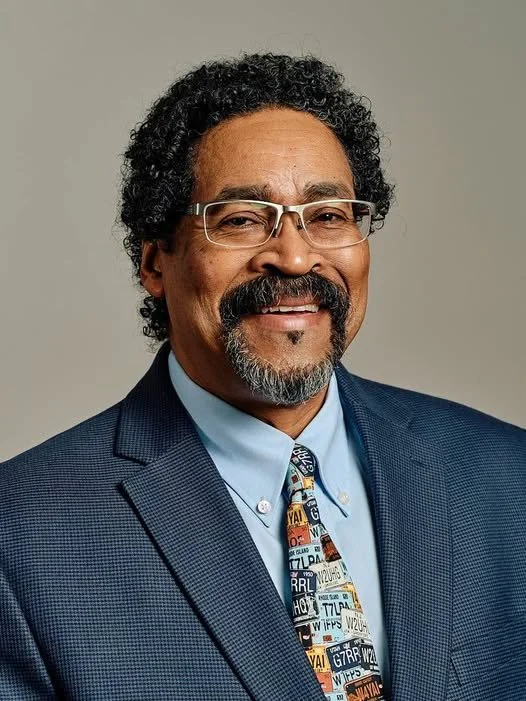
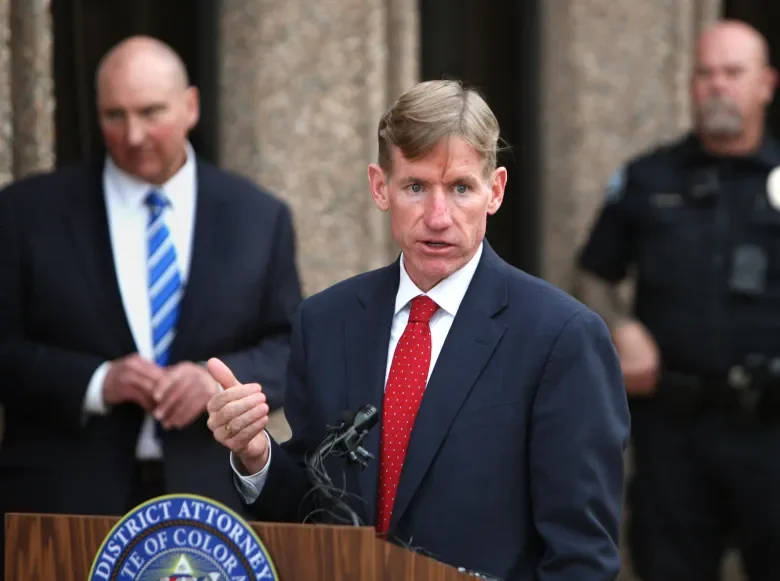
District Attorney Michael Dougherty